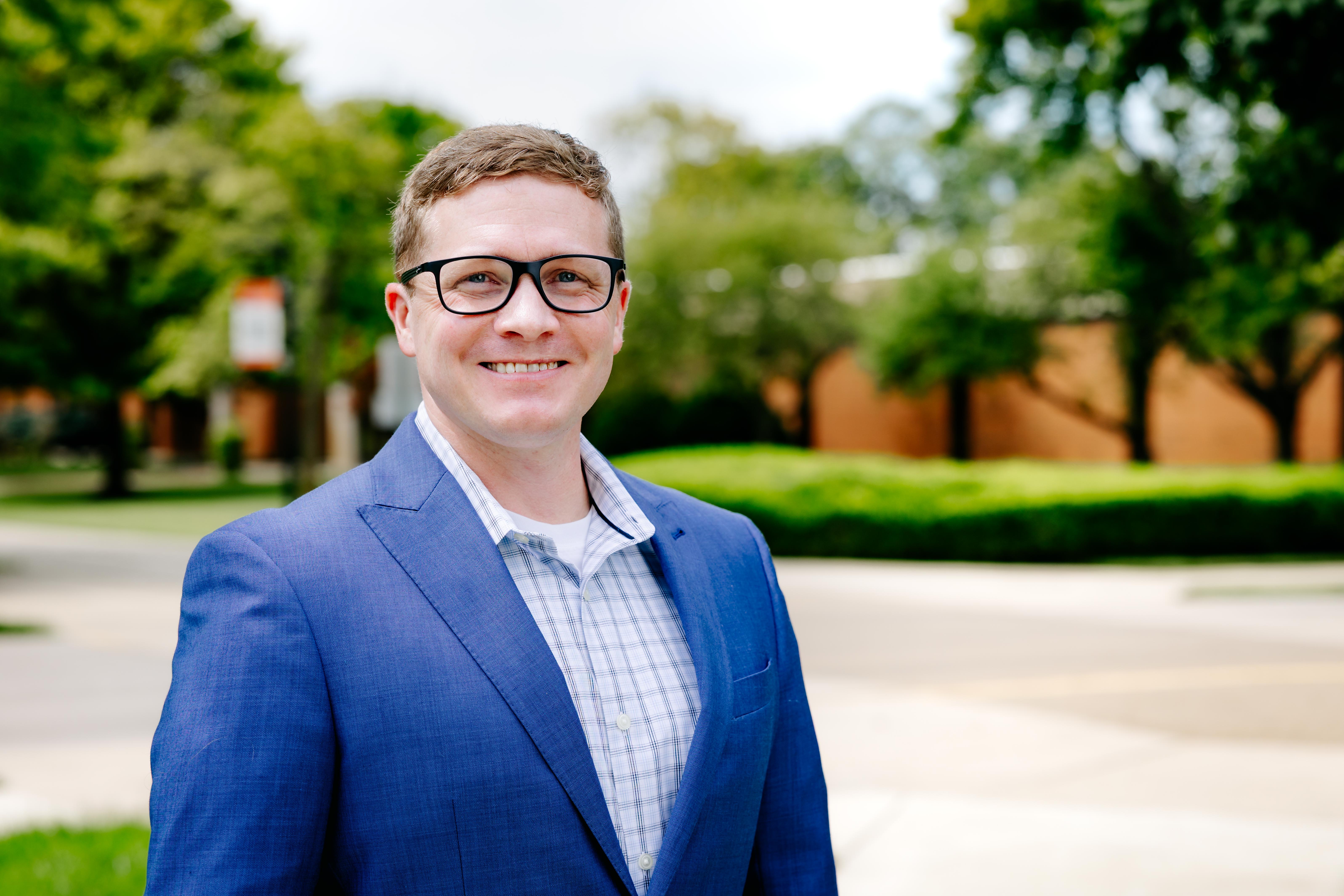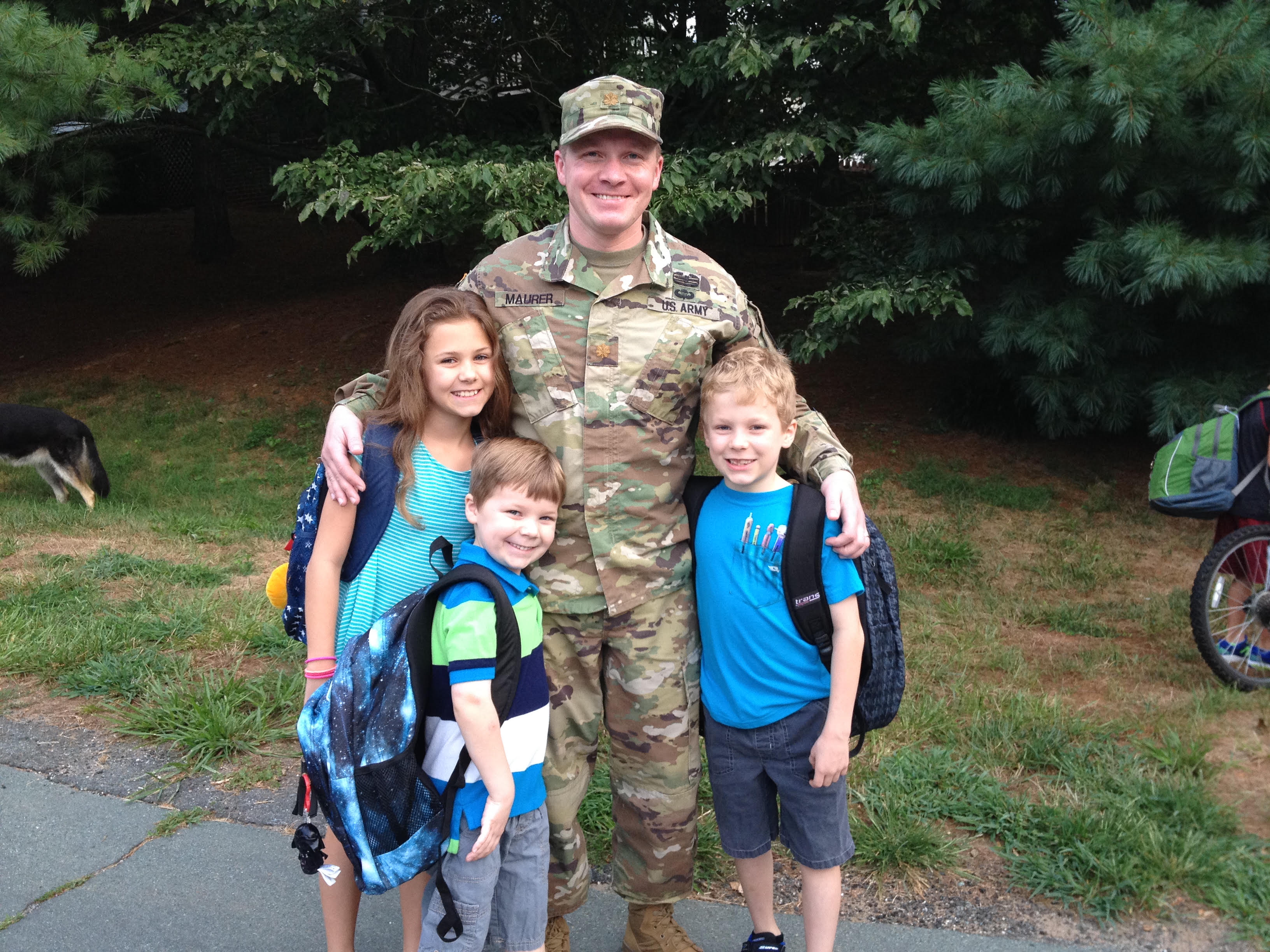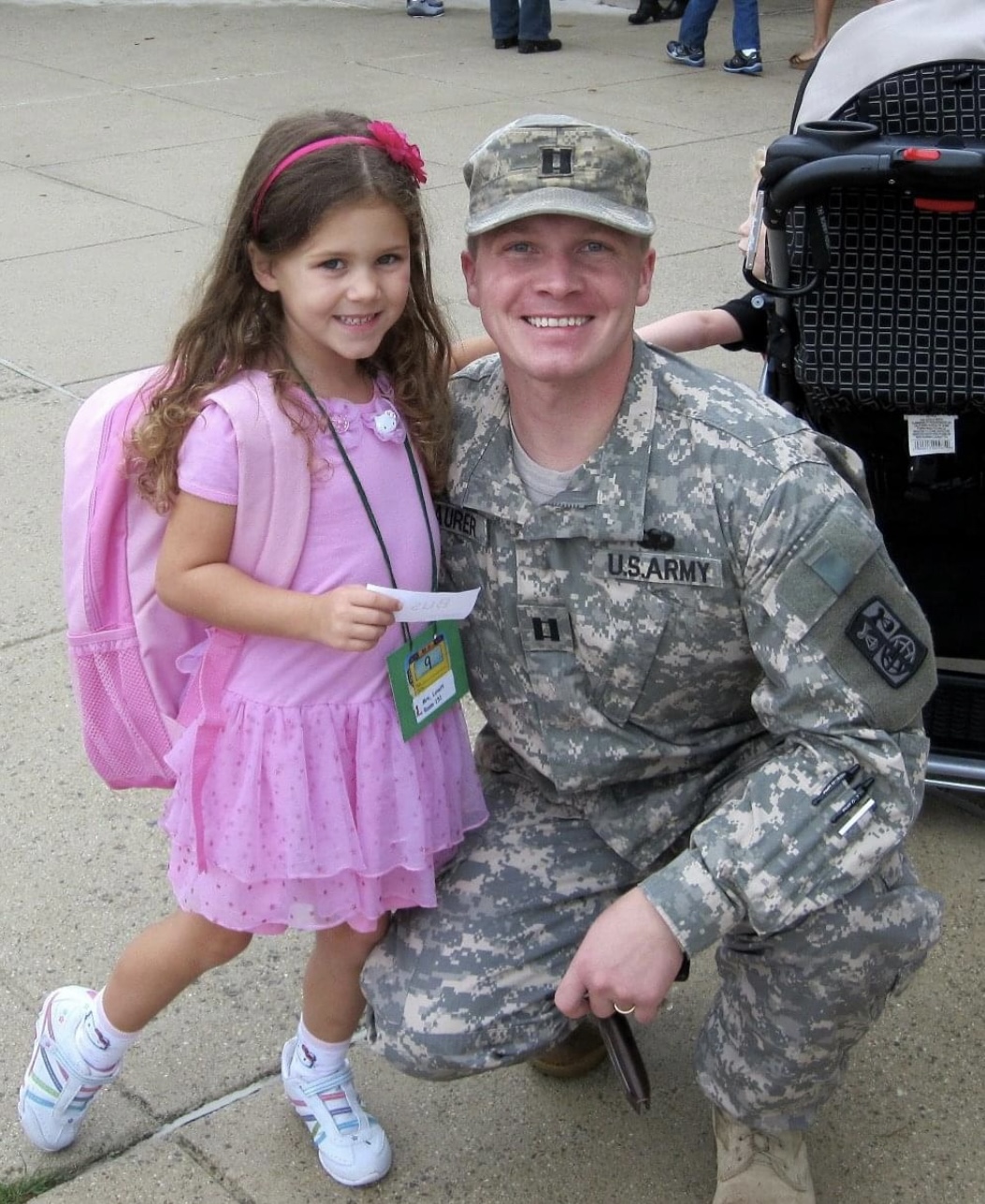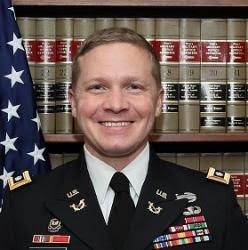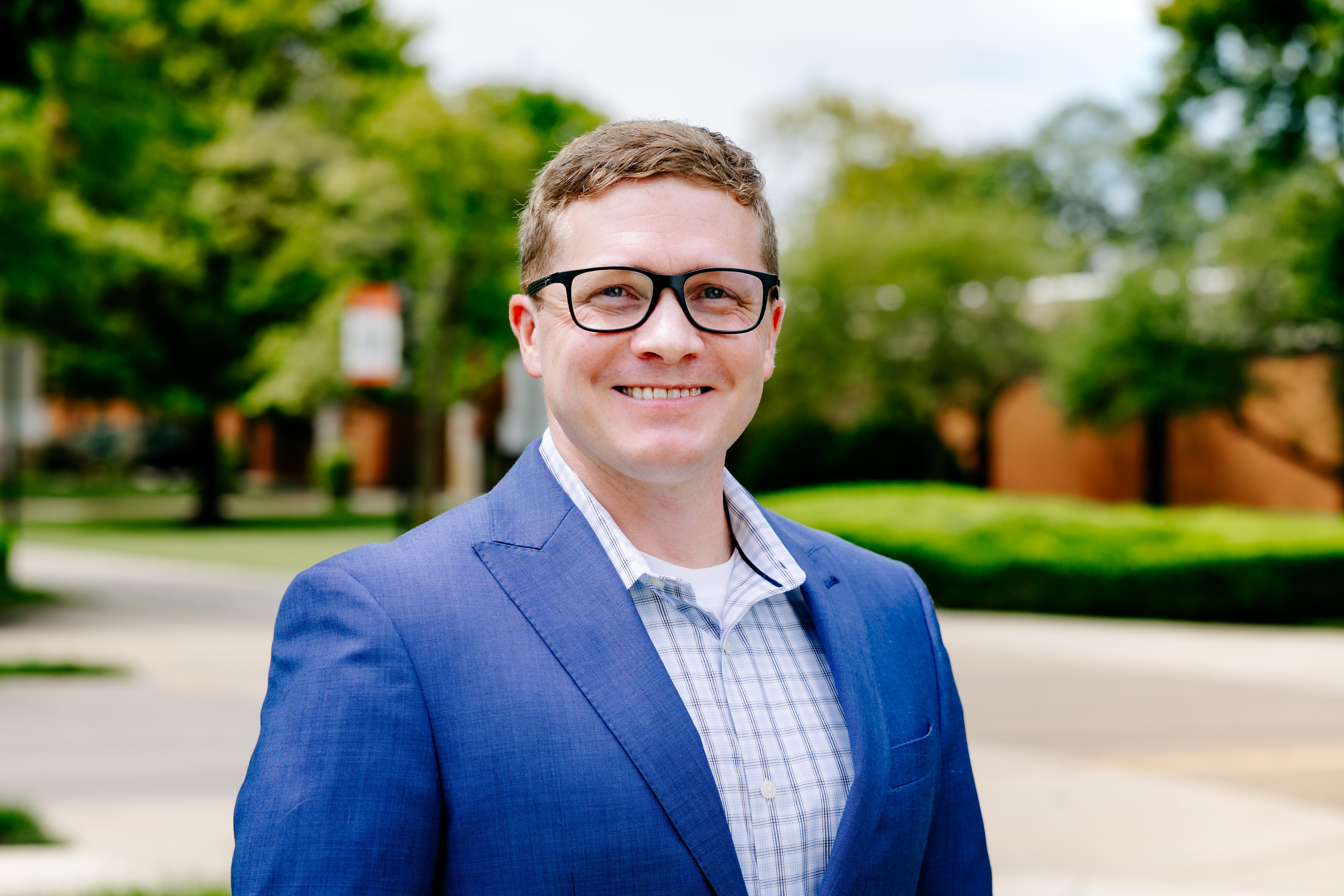
For Daniel (Dan) Maurer, service did not end when he took off his uniform and retired from the U.S. Army. Today, as an associate professor at Ohio Northern University Pettit College of Law, he brings more than two decades of military experience to the classroom and a distinctive perspective to some of the nation's most consequential legal and national security discussions.
A 22-year Army veteran, Maurer has built a career at the intersection of military service, law and constitutional principles. His firsthand experience, combined with his academic expertise, has made him a sought-after commentator on issues ranging from the domestic deployment of military forces to the use of military force abroad.
His expertise has reached audiences nationwide and internationally. Maurer has appeared on CNN, MS NOW and BBC World News America, as well as television networks in France and Canada. His analysis has also been featured in The New York Times, The Associated Press, NPR, The Economist, The Atlantic, CBS News and other prominent media outlets.
But his perspective on these complex issues comes from more than years of research and legal scholarship. It is grounded in a career spent serving his country.
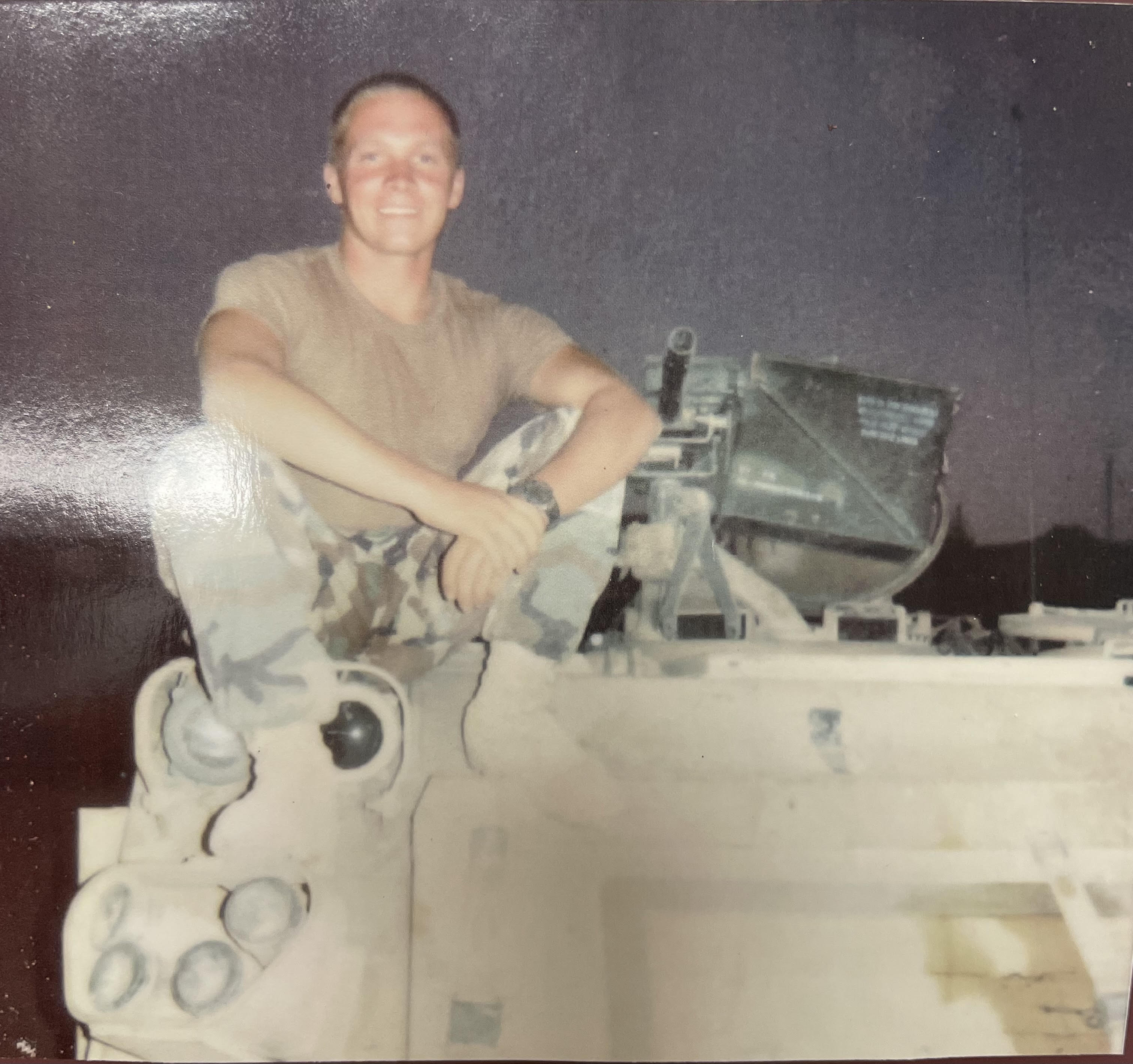
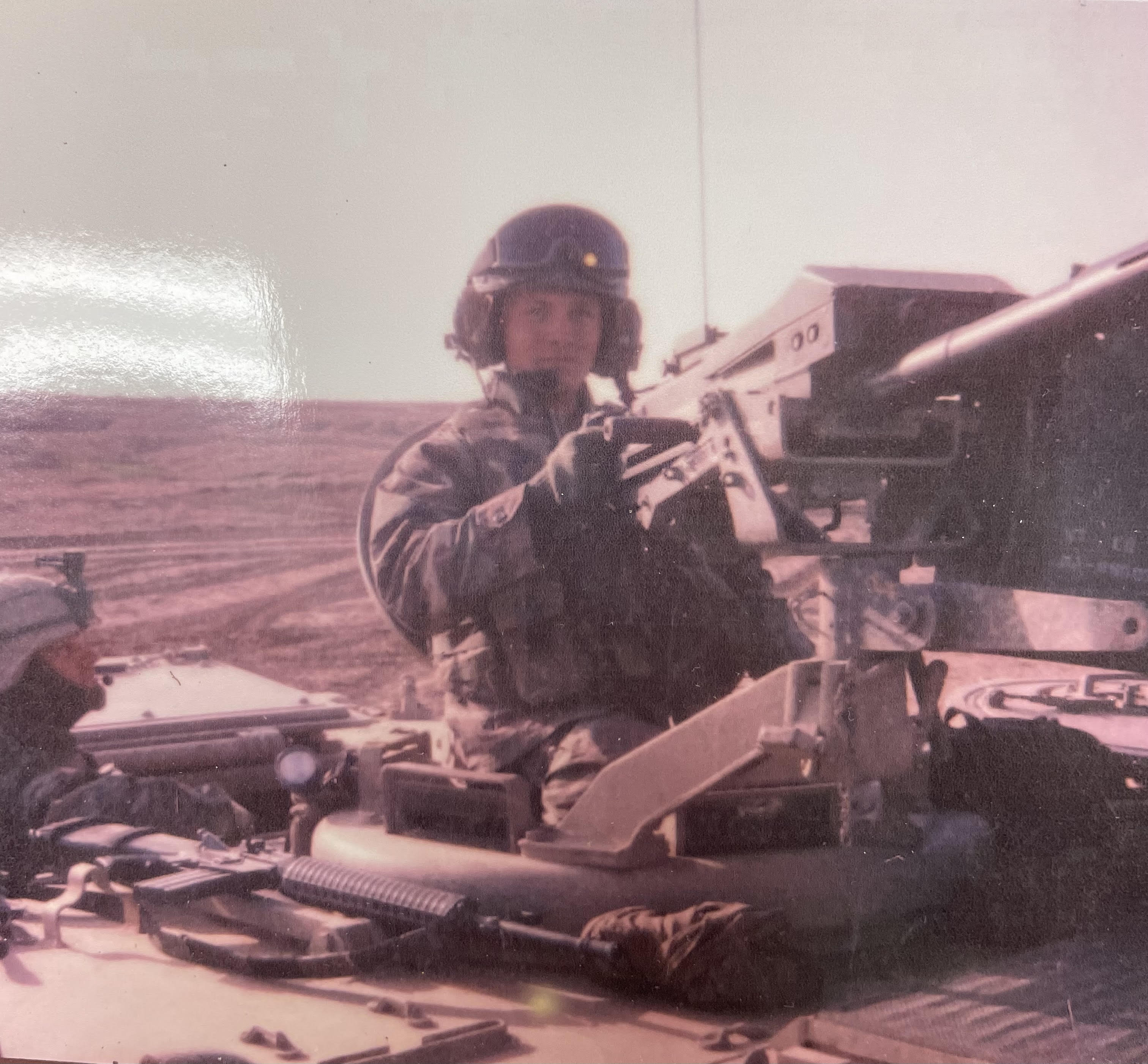
Maurer began his military career as a combat engineer before becoming a Judge Advocate General (JAG) officer. His assignments included two combat deployments to Iraq, each lasting one year, advising senior Army commanders, prosecuting felony-level cases at courts-martial and arguing cases before military appellate courts. Those cases ranged from sexual assault and drug distribution to insurance fraud and attempted murder. He also participated in a Strategy Fellowship with the Army Chief of Staff at the Pentagon.
His service took him around the country and world. Maurer was stationed in Virginia, Missouri, Colorado, Texas, New York, and Oklahoma, as well as a two-year tour in Vincenza, Italy. He trained foreign military lawyers in Ghana, Rwanda, and Morocco on the law of armed conflict and operational legal planning.
Among his final military assignments were teaching constitutional and criminal law at the U.S. Military Academy at West Point and teaching national security law at The Judge Advocate General's Legal Center and School in Charlottesville, Virginia.
Those experiences continue to inform his work at ONU Law, where he teaches Criminal Law, Criminal Procedure, White Collar Crime, Election Law, and National Security Law. In the classroom, students benefit from a professor who has not only studied the law but has applied it in some of the most demanding settings in which legal principles are tested.
Maurer's academic work examines the relationship between military authority and constitutional government, military justice reform, civil-military relations, and international humanitarian law, commonly known as the law of war. He is the author of Crisis, Agency, and Law in U.S. Civil-Military Relations (Palgrave Macmillan, 2017) and co-editor of Reconsidering American Civil-Military Relations: The Military, Society, Politics, and Modern War (Oxford University Press, 2021). When he retired, Maurer was the most published officer in the Army JAG Corps’ history, and to date, the only person to publish a comprehensive descriptive and normative “theory” of military criminal law that explains its similarities to and considerable differences with civilian criminal law.
His scholarship has appeared in numerous respected legal journals, and his 2022 article in the University of Illinois Law Review Online received the Kevin J. Barry Award from the National Institute of Military Justice. He also contributes to national legal discussions through publications including Lawfare, Just Security and Articles of War.
Beyond teaching and research, Maurer serves on the Board of Directors of the National Institute of Military Justice and advises the Center for Military Law and Policy at Texas Tech University School of Law. He is also an editorial board member for the Forces Law Review and the Journal of National Security Law & Policy.
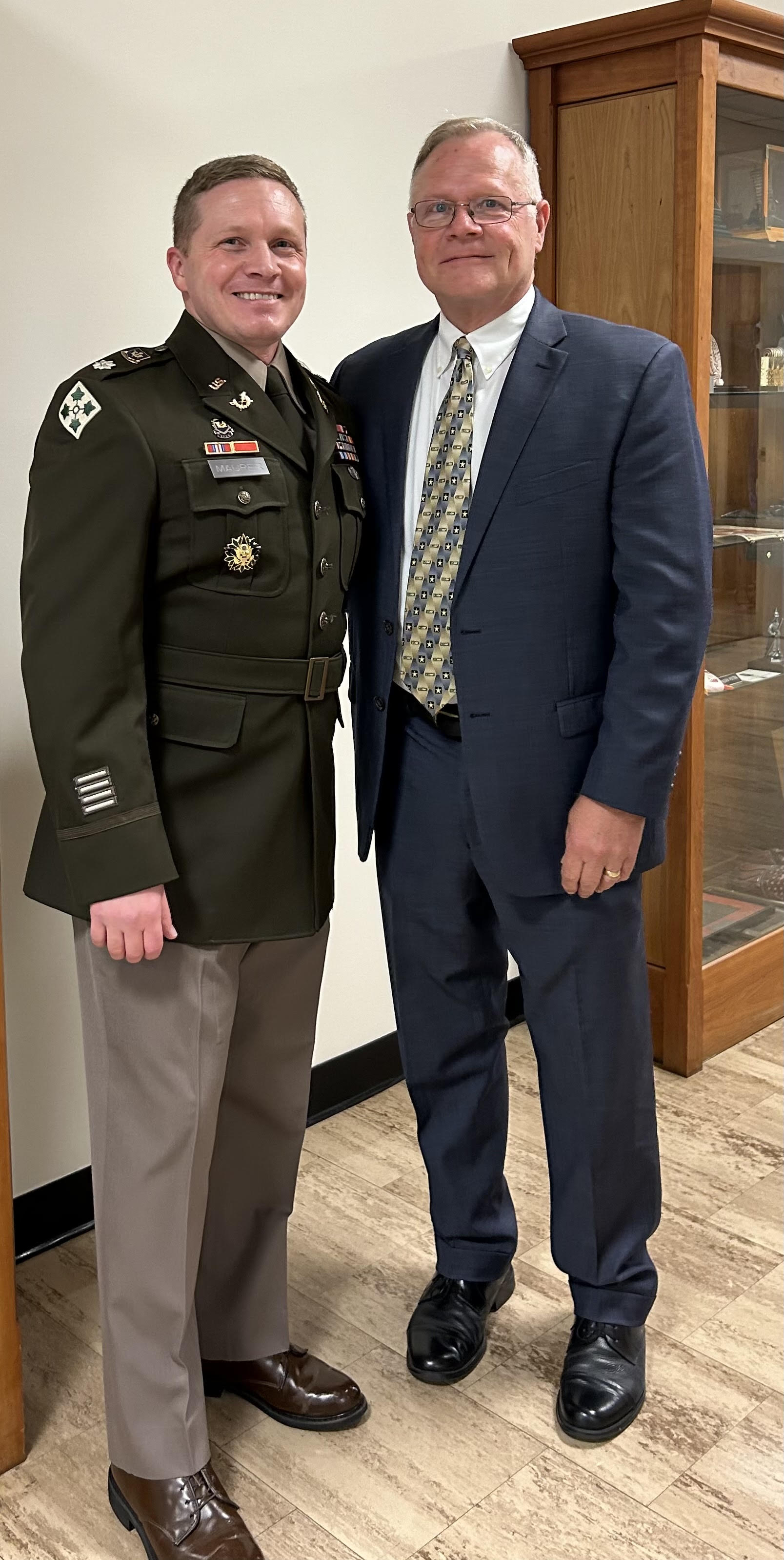
His path to the law began with an Army upbringing as his father is a retired Lieutenant Colonel, and an ROTC scholarship at James Madison University, where he graduated as a Distinguished Military Graduate. Following his first combat deployment in 2003-2004, he earned his Juris Doctor from The Ohio State University through the Army's Funded Legal Education Program in 2008, and later completed a Master of Laws degree at The Judge Advocate General's Legal Center and School, where he earned the award for the best thesis among his more than 100 classmates.
For Maurer, the transition from military service to legal education represents a continuation of the same commitment to leadership, responsibility and service that defined his Army career.
This Veterans Day, Ohio Northern University Pettit College of Law recognizes Professor Maurer not only for his 22 years of honorable service in the U.S. Army, but also for the meaningful work he continues to do through education, scholarship and his contributions to the national conversation on law and justice.
Professor Dan Maurer’s own reflections on what military service has taught him and how it influences his work today:
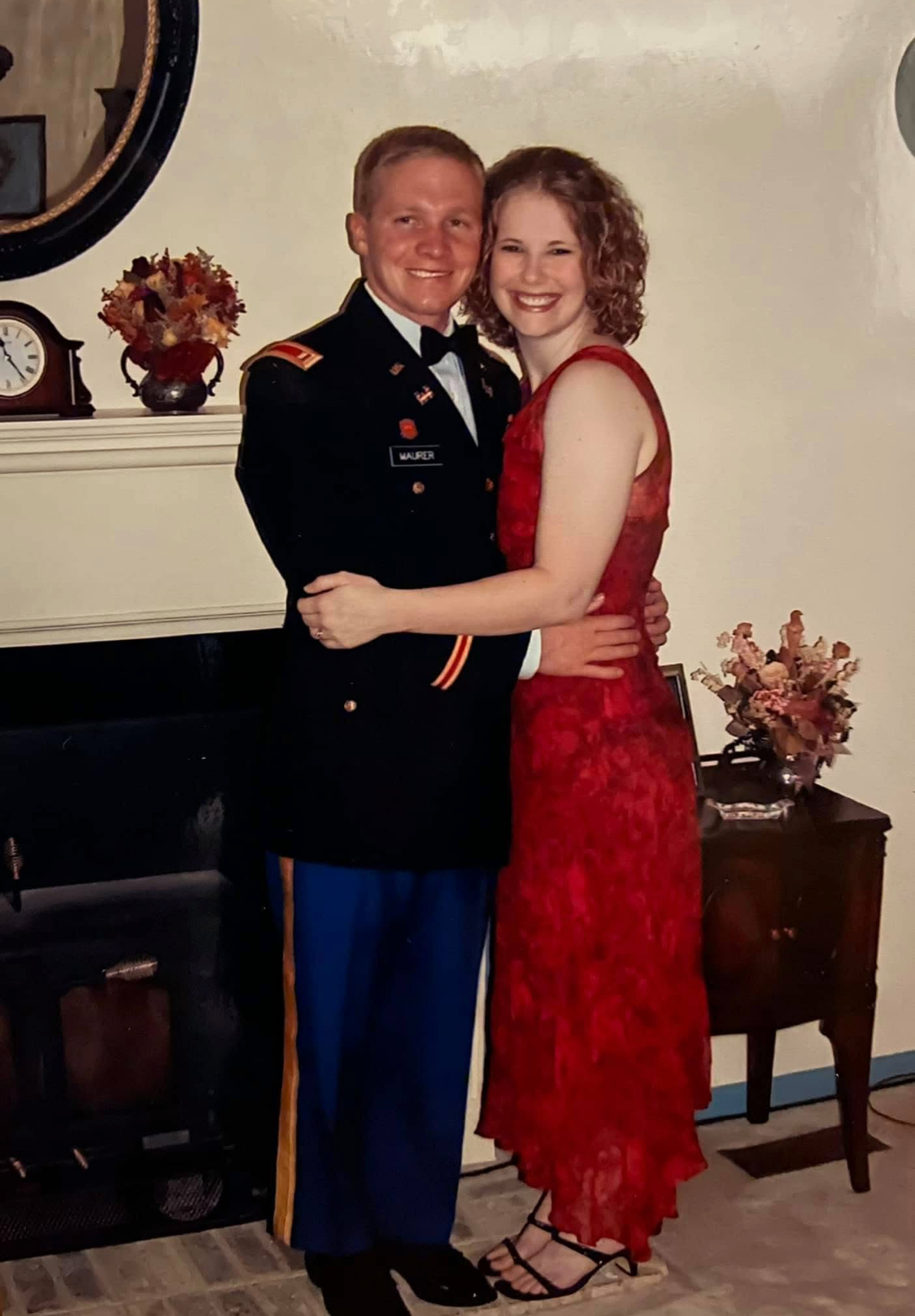
“I'd be kidding myself if I thought my idea of "service" has not evolved over the course of two and half decades since I graduated college. When one is commissioned into the Armed Forces as an officer, one swears an oath to "support and defend the Constitution against all enemies, foreign and domestic." As a young lieutenant in the Army, service meant doing one's duty and performing to the best of one's ability, without making excuses, in places and under circumstances one would rather not be (i.e., combat under hostile fire). As a 23-year-old platoon leader in charge of more than 30 soldiers in Iraq, service meant putting their welfare and safety ahead of my own, but also putting the mission ahead of everything else, and trying to demonstrate courage, integrity, and competence as a role model, despite feeling profound imposter syndrome most of the time. Later, as a husband and father in my mid- and late-twenties, service meant sacrifice -- from family, from comfort, from routine 9-5 professional expectations. It meant "fighting bad guys with words" (how I explained what a prosecutor was to my five-year-old). It meant another deployment to Iraq, this time as a military lawyer and under much safer conditions but it also meant missing the birth of my youngest son. As a judge advocate supervising younger officers back in the States during my early and mid-thirties, service meant mentoring and training those younger professionals, accepting ultimate responsibility if they failed, and amplifying them when they had success. But service also meant recognizing when my professional life had overtaken my personal life in terms of the energy and attention they demanded and deserved. So, service grew to include a more committed service to my family -- by then, wife and three kids -- the unsung heroes in the Armed Forces, for very often what they sacrifice is greater than my own, and with no medals or promotions to show for it. By my early forties, service meant a transition away from the practice of law and leading younger JAGs to something I fell deeply in love with almost right away: teaching and scholarship. While I wasn't leading teams of JAGs anymore, or prosecuting courts-martial, or advising commanders on the laws of armed conflict, I was responsible for the education of West Point cadets as they grew from college students to the next generation of Army officers who would swear to support and defend the Constitution. Service meant understanding and fulfilling my much different, and less direct, role in their professional development.
Today, comfortable and grateful in my third year teaching civilian law students, service means translating my professional experiences and whatever expertise I have in ways that resonate with students to best prepare them to be competent and trustworthy professionals, practicing with integrity and mature judgment. That transition from military officer to civilian law professor was not a rude or painful one: officers and lawyers are both committed to a technical practice that demands self-study, honest self-reflection, commitment to a community or project bigger than themselves, and all in service to the rule of law and the Constitution.
Over the last two years, in the face of profound challenges to the rule of law triggered by our own government's hubris and recklessness, I have been asked to contribute in small ways to a national conversation about the abuse and misuse of the Armed Forces both overseas and domestically -- where I can impart what I know of military and national security law to public audiences so that they can be more informed in their judgment about character and competence of the government actors who make unlawful decisions in our name under powers granted and limited by the Constitution. That, too, is a service. I want my children and their children to be absolutely confident what side of the debate I stood on, and that I did everything I could in service to the rule of law that remains the bedrock of the just society we all hope and work for. Now I just do it in a blazer and khakis, not camouflage.”